AI & Medicine

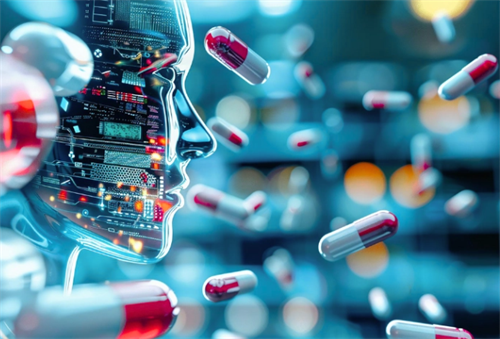
30% of Drug Research Failures Are Linked to Adverse Reactions. Can Artificial Intelligence Provide Earlier Warnings?
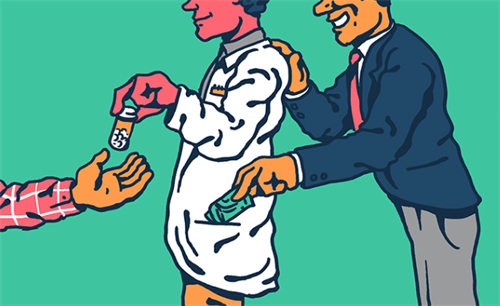
Every year, pharmaceutical companies invest hundreds of billions of dollars trying to turn laboratory discoveries into safe and effective treatments. Yet most experimental drugs never reach patients.
AI-Driven Drugs Entering Phase III Clinical Trials: Why 2026 Is the Crucial Validation Year?
Explore why 2026 is a pivotal year for AI-designed drugs as they enter Phase III clinical trials, testing whether AI can truly transform drug discovery.
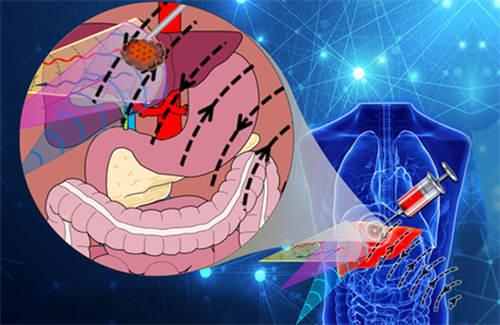
How Can New Intelligent Drug Delivery Systems Make Chemotherapy Kill Tumors Without Harming the Body?
For decades, chemotherapy has carried the reputation of a treatment that “kills a thousand enemies while injuring eight hundred of one’s own.”
The Implementation of the EU AI Act: How to Define “High-Risk” AI Applications in Drug Research?
AI systems can analyze molecular structures, predict protein interactions, identify potential therapeutic targets, and simulate pharmacological properties at a speed that traditional laboratory methods cannot easily achieve.
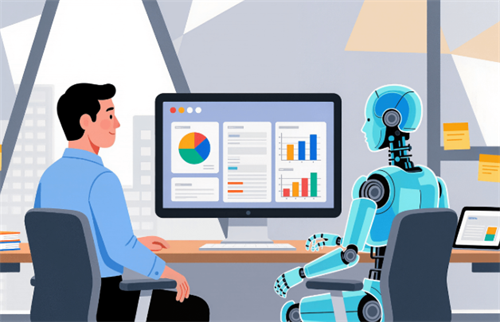
The “AI Kongming” Platform: China’s AI Pharmaceutical Tools Open to the Global Community for Free
China launched the “AI Kongming” open-source artificial intelligence platform for drug discovery, making its databases and computational tools available free of charge to researchers worldwide.
Can Generative AI Create $110 Billion in Value for the Pharmaceutical Industry Each Year?
One announcement revealed that Eli Lilly and NVIDIA planned to invest $1 billion to establish a joint artificial intelligence research laboratory focused on drug discovery.
The First AI-Discovered Drug May Be Approved in 2027:The Ten-Year Journey from Concept Hype to Regulatory Recognition
Around 2016–2018, the phrase “AI drug discovery” began appearing frequently in scientific conferences and biotechnology investment reports.
Dudu Intelligent Agent: How to Achieve “Medicine for Each Person, Each Time” with AI?
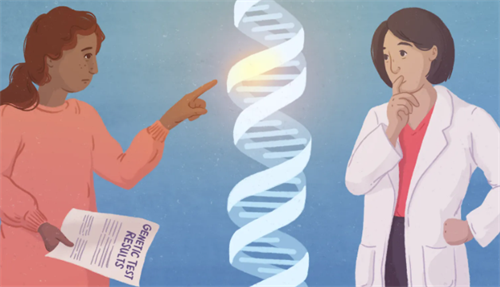
In clinical medicine, a familiar but often frustrating reality exists: the same medication can produce very different outcomes across patients.

Losing weight

Does the “Semaglutide Face” Really Exist?The Impact of Rapid Weight Loss on Appearance and How to Deal with It

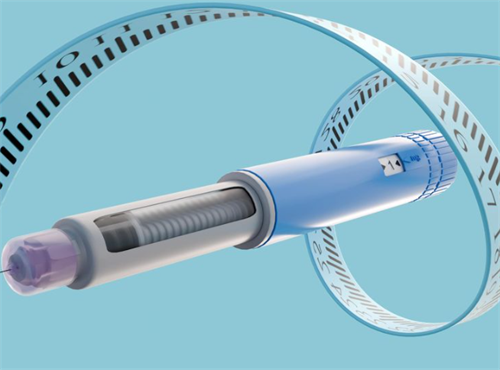
In recent years, GLP-1 receptor agonists such as semaglutide have significantly changed the treatment landscape for obesity and metabolic disease.

GLP-1 and Muscle Loss: How Much of the Lost Weight is Fat and How Much is Muscle?

For many people using GLP-1–based medications, the most visible change is the number on the scale. Weight decreases steadily, often more than expected. However, a quieter question has begun to draw attention: what exactly is being lost?
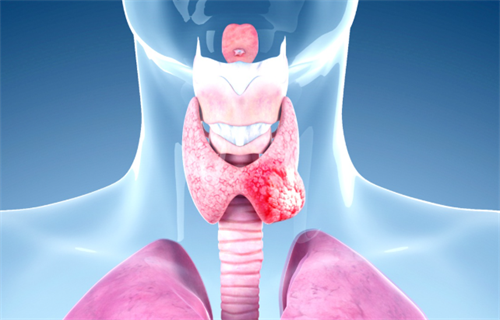
GLP-1 and the Risk of Thyroid Cancer: Answers from Ten Years of Data

Over the past decade, GLP-1 receptor agonists have moved from being secondary options for diabetes to widely used treatments for both blood sugar control and weight management.

Will GLP-1 withdrawal lead to rebound? Data will reveal the truth & How to stabilize your weight

GLP-1 drugs have changed how obesity and type 2 diabetes are treated. Many people can now lose 10–20% of their body weight and improve blood sugar at the same time.
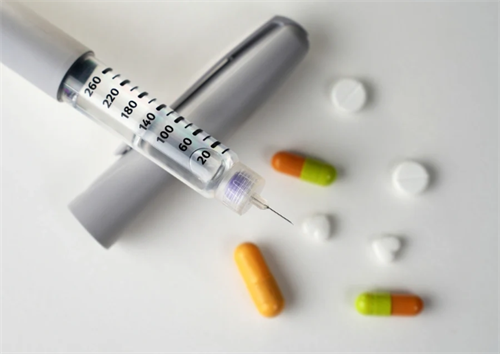
Oral GLP-1 Arrives: Is the Effect the Same as Injections? How to Choose?

The rapid rise of GLP-1 receptor agonists has reshaped the treatment landscape for type 2 diabetes and obesity.
Oral Semaglutide vs. Eli Lilly’s Oral GLP-1 Drug (Orforglipron): How to Choose in 2026?

A key milestone came in December 2025, when the U.S. Food and Drug Administration approved the oral version of semaglutide for chronic weight management, based on Phase III OASIS data.