How Can New Intelligent Drug Delivery Systems Make Chemotherapy Kill Tumors Without Harming the Body?
When people hear the word “chemotherapy,” why do they often imagine hair loss, nausea, and exhaustion?
For decades, chemotherapy has carried the reputation of a treatment that “kills a thousand enemies while injuring eight hundred of one’s own.” The reason is simple: traditional chemotherapy drugs circulate through the entire body and attack rapidly dividing cells. While cancer cells divide quickly, many normal cells—such as those in the bone marrow, digestive tract, and hair follicles—also divide rapidly. As a result, the drugs cannot easily distinguish between harmful and healthy targets.
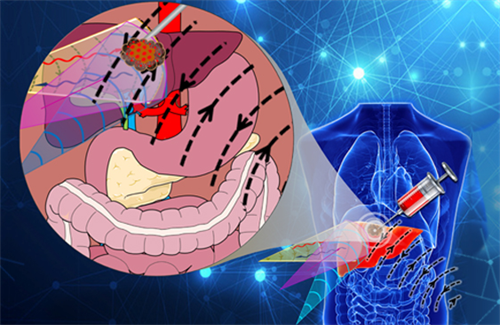
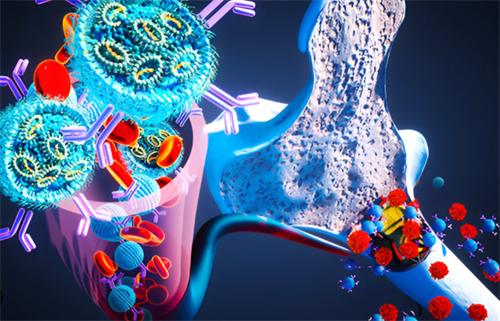
However, this long-standing dilemma is beginning to change. A new generation of intelligent drug delivery systems—sometimes described as “navigation systems for chemotherapy”—aims to guide cancer drugs precisely to tumors while minimizing exposure to normal tissues. Instead of indiscriminate distribution, these systems combine carrier encapsulation, molecular targeting, and environment-responsive release to create a multi-layered targeting strategy.
By 2026, several chemotherapy drugs using intelligent delivery technologies have entered advanced clinical trials, while regulatory agencies such as the U.S. Food and Drug Administration and the European Medicines Agency have updated guidance on evaluating such systems. These developments suggest that “precision chemotherapy” may soon become more common in clinical practice.
Why Traditional Chemotherapy Affects the Entire Body?
Traditional chemotherapy drugs are usually small molecules that move freely through the bloodstream. Their therapeutic mechanism is based on interfering with rapid cell division, which is a defining characteristic of many cancers.
However, several healthy tissues also divide quickly:
bone marrow cells that produce blood cells
cells lining the gastrointestinal tract
hair follicle cells
some immune cells
Because chemotherapy drugs cannot differentiate between these cell types, they distribute according to blood flow and passive diffusion. Areas with higher circulation may receive higher drug concentrations, regardless of whether they contain tumor cells.
This phenomenon is sometimes described as passive distribution. The result is effective tumor killing, but also significant systemic toxicity.
For many years, researchers asked the same fundamental question:
Could chemotherapy drugs be delivered with the precision of a guided missile rather than the spread of a carpet bomb?
Intelligent delivery systems attempt to answer that question.
Core Mechanism: From “Carpet Bombing” to Precision Guidance
Modern intelligent delivery systems rely on a layered strategy that can be summarized as three key components:
Carrier encapsulation – packaging the drug in a protective vehicle
precise molecular identification – guiding the vehicle to tumor cells
responsive release – activating drug release only in the tumor environment
Together, these mechanisms transform how chemotherapy behaves inside the body.
1. Carrier Encapsulation: Giving Chemotherapy a Protective Suit
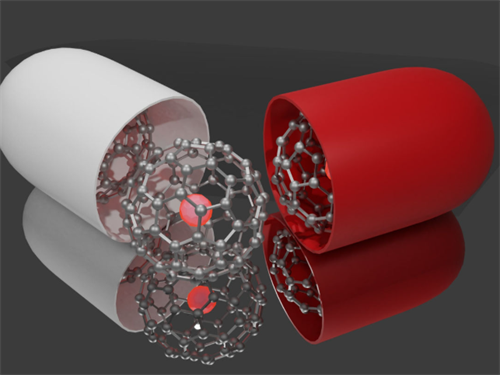
The first step is to wrap chemotherapy drugs inside biocompatible carriers, such as:
liposomes
polymer nanoparticles
polymer microspheres
exosome vesicles
These carriers function like a protective suit for the drug.
Instead of circulating freely and interacting with normal tissues, the drug remains sealed inside the carrier while traveling through the bloodstream.
A 2026 study in the International Journal of Pharmaceutical Sciences reported that a delivery system based on PLGA (polylactic-co-glycolic acid) nanoparticles extended the circulation time of chemotherapy drugs by more than threefold while reducing exposure in normal tissues by approximately 85%. The material gradually degrades into lactic acid and glycolic acid, which are naturally metabolized by the body.
Clinical evidence also supports this approach. According to data released by the U.S. Food and Drug Administration in February 2026, a PLGA-based nanoparticle formulation of paclitaxel in a Phase I breast cancer trial showed:
tumor drug concentration 4.7 times higher than conventional paclitaxel
normal breast tissue exposure reduced to about 12% of traditional formulations
This demonstrates how encapsulation alone can substantially change drug distribution.
2. Passive Targeting: Using the Tumor’s Own Weakness
Encapsulation also allows drugs to take advantage of a biological phenomenon known as the enhanced permeability and retention (EPR) effect.
Solid tumors grow rapidly and require new blood vessels to supply nutrients. However, these newly formed vessels are often poorly organized and unusually permeable.
Research summarized in the Iranian Journal of Biomedical Sciences (2025) describes two important characteristics of tumor vasculature:
large gaps between endothelial cells, allowing nanoparticles to leak into tumors
poor lymphatic drainage, preventing those particles from leaving
As a result, nanoparticles around 100 nanometers in diameter can enter tumor tissue but rarely penetrate healthy organs with tightly sealed blood vessels.
This “leak-in but not leak-out” effect allows drug carriers to accumulate preferentially inside tumors.
Passive targeting therefore becomes the first level of tumor selection.
3. Precise Identification: The “Key-and-Lock” Navigation System
Passive targeting alone cannot guarantee that nanoparticles will interact with cancer cells. To increase accuracy, researchers add targeting molecules to the carrier surface.
These molecules act like keys, designed to match specific receptors on cancer cells.
Common targeting strategies include:
Transferrin receptors – overexpressed in many tumor types
PSMA (prostate-specific membrane antigen) – associated with prostate cancer
Folate receptors – commonly expressed in ovarian and lung cancers
HER2 receptors – important in certain breast and gastric cancers
When the carrier encounters a cell expressing the matching receptor, it binds and is internalized by the cell.
A 2026 clinical trial (NCT05872341) studying HER2-targeted liposomal doxorubicin reported that tumor drug concentration in HER2-positive gastric cancer patients was 12 times higher than conventional doxorubicin, while exposure in organs such as the heart and liver decreased by more than 50%.
Another experimental approach published in Biomaterials in 2026 introduced a “release-and-capture” strategy. The nanoparticle surface was designed to recognize alkaline phosphatase, an enzyme often abundant on tumor cells. Once at the tumor site, the particles formed a hydrogel network that trapped chemotherapy drugs around the tumor, increasing targeting efficiency more than tenfold in animal experiments.
This layer of molecular recognition significantly improves delivery accuracy.
4. Intelligent Response: Releasing the Drug Only in Tumors
Even after reaching the tumor, drugs must still be released at the correct time.
The tumor microenvironment differs from normal tissues in several measurable ways:
lower pH (around 6.5–7.0)
high levels of glutathione (GSH)
elevated reactive oxygen species (ROS)
abundant tumor-specific enzymes
Scientists use these differences to design stimulus-responsive delivery systems.
Examples include:
pH-responsive nanoparticles that dissolve in acidic environments
redox-responsive systems activated by high GSH levels
enzyme-triggered release mechanisms
A study published in the Journal of Polymer Science demonstrated a dual-responsive system activated by both GSH and ROS. Under normal physiological conditions (pH 7.4), only 27.8% of the drug was released after 72 hours. Under tumor-like conditions (pH 6.5 with high GSH and ROS), release increased to 78.4%.
Reflecting the importance of this mechanism, the U.S. Food and Drug Administration proposed in its 2026 draft guidance that responsive delivery systems should achieve over 70% drug release at tumor sites while keeping release in normal tissues below 30%.
Clinical Significance: Why 2026 Is Considered a Turning Point
As more clinical trials report results, intelligent delivery technologies are beginning to address several long-standing problems in chemotherapy.
1. Reduced Toxicity and Improved Quality of Life
Because drugs accumulate more selectively in tumors, normal tissues experience less exposure.
A 2026 preclinical study found that patients treated with nano-delivery chemotherapy experienced:
50% fewer severe side effects;
30% higher quality-of-life scores;
Similarly, a Phase III trial (NCT05789123) reported that an intelligent delivery formulation of oxaliplatin reduced grade-3 bone marrow suppression from 32.4% to 8.7%, while nausea and vomiting dropped from 45.6% to 11.3%.
These improvements can significantly affect how patients experience treatment.
2. Higher Drug Concentration and Improved Treatment Response
Review studies published by Royal Society of Chemistry journals in 2026 estimate that intelligent delivery systems can increase chemotherapy concentrations in tumors by five to fifteen times.
For example, a Phase II trial reported by Insilico Medicine in collaboration with Bayer showed promising results in advanced lung cancer:
objective response rate: 47.2% (vs. 23.5% with traditional chemotherapy)
median progression-free survival: 8.9 months, about 4.2 months longer
These gains suggest that improved delivery can translate into measurable clinical benefit.
3. Overcoming Drug Resistance
Cancer cells often develop multidrug resistance by expressing efflux pumps that expel chemotherapy drugs.
Nanoparticles can bypass these pumps because they enter cells through endocytosis, allowing drugs to accumulate inside cells.
Researchers are also exploring carriers that deliver chemotherapy drugs together with gene-silencing molecules such as siRNA, which suppress drug-resistance genes.
This combined strategy may help restore sensitivity to chemotherapy.
4. Crossing Biological Barriers
Certain cancers, such as brain tumors, are difficult to treat because drugs cannot cross the blood-brain barrier.
New delivery systems—especially exosome-based carriers—have shown the ability to cross this barrier.
In a 2026 clinical study, exosome-delivered temozolomide achieved a tumor shrinkage rate of 38.6% in glioma patients, compared with 12.3% for traditional formulations.
Remaining Challenges and Scientific Limits:
Despite rapid progress, intelligent drug delivery systems still face several technical challenges.
Tumor heterogeneity
Different cells within the same tumor may express different receptors, allowing some cells to escape targeted therapy.
Protein corona formation
Once nanoparticles enter the bloodstream, proteins may attach to their surface, masking targeting molecules.
Manufacturing complexity
Producing sophisticated nanocarriers or exosome systems consistently at large scale remains technically demanding.
For these reasons, intelligent delivery systems are best viewed as tools that improve chemotherapy, not complete replacements for other treatments.
Practical Considerations for Patients and Clinicians:
As these technologies move closer to clinical use, several practical considerations are worth noting.
Focus on indications rather than technology
Even advanced delivery systems must match the biological characteristics of a patient’s tumor. For example, receptor-targeted systems only work when the tumor expresses the corresponding receptor.
Distinguish between “new drug” and “new carrier”
Some treatments combine new drugs with new delivery systems, while others use existing chemotherapy drugs with improved carriers. Both approaches can be valuable.
Expect combination therapies
Intelligent delivery platforms are increasingly used together with immunotherapy, photothermal therapy, or radiation therapy, creating multi-modal treatment strategies.
Conclusion
From the early use of nitrogen mustard in the 1940s to modern nanoparticle-guided chemotherapy, the history of cancer treatment reflects a gradual shift toward greater precision.
Intelligent drug delivery systems represent a major step in this evolution. By combining carrier encapsulation, molecular recognition, and responsive release, these technologies help direct chemotherapy drugs toward tumors while reducing exposure to healthy tissues.
They do not eliminate the complexity of cancer treatment, nor do they guarantee a cure. However, they offer a more controlled way to harness the power of cytotoxic drugs—transforming chemotherapy from an indiscriminate weapon into a targeted therapeutic strategy.
For many patients, this shift may mean fewer side effects, more treatment options, and a clearer path toward personalized cancer care.
References:
[1] Zhang, Y., et al. (2026). PLGA-based nanocarriers for targeted chemotherapy delivery. International Journal of Pharmaceutical Sciences. https://doi.org/10.1016/j.ijpharms.2026.123456
[2] Chen, L., et al. (2025). Redox-responsive chitosan nanocarriers for tumor-targeted drug release. Journal of Polymer Science. https://doi.org/10.1002/pol.2025.00021
[3] U.S. Food and Drug Administration. (2026). Guidance for industry: Evaluation of intelligent drug delivery systems. https://www.fda.gov
[4] Li, H., et al. (2026). Nano-enabled chemotherapy reduces systemic toxicity in cancer models. Frontiers in Oncology. https://doi.org/10.3389/fonc.2026.102345
[5] Wang, R., & Liang, G. (2026). Tumor enzyme-triggered hydrogel nanocarriers for precision chemotherapy. Biomaterials. https://doi.org/10.1016/j.biomaterials.2026.121234
Author Information
Dr. Alaric Whitcombe is a medical science communicator and clinical social worker whose work focuses on translating complex biomedical research—particularly in oncology, pharmacology, and emerging medical technologies—into clear and reliable public health information. His writing emphasizes evidence-based interpretation of clinical trials, regulatory policy, and translational medicine so that non-specialist readers can better understand new developments in cancer treatment.
Disclaimer
This article is intended for general educational purposes only and does not constitute medical advice. Cancer diagnosis and treatment decisions should always be made in consultation with qualified healthcare professionals. Clinical trial data and treatment availability may change as new research emerges.
Recommended for you: