Oral GLP-1 Arrives: Is the Effect the Same as Injections? How to Choose?
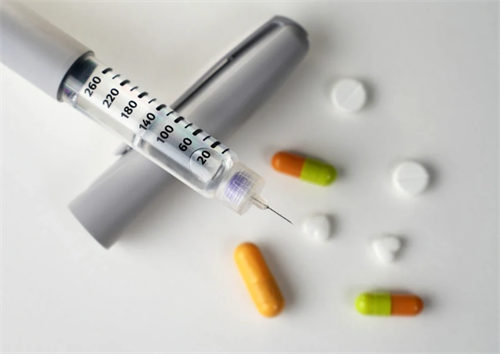
The rapid rise of GLP-1 receptor agonists has reshaped the treatment landscape for type 2 diabetes and obesity. Over the past decade, these drugs have moved from specialist therapies to widely discussed options in public health. By 2026, this evolution has reached a new stage: oral GLP-1 therapies are no longer experimental alternatives, but emerging mainstream options.
This shift raises a practical and increasingly common question: if oral and injectable GLP-1 drugs target the same biological pathway, are their effects truly comparable—and how should individuals make a rational choice?
A useful answer requires looking beyond convenience alone. It involves understanding pharmacology, clinical evidence, real-world adherence, and how treatment goals are changing.
1. Why GLP-1 Matters More Than Before
GLP-1 (glucagon-like peptide-1) is a hormone produced in the intestine that regulates blood glucose and appetite. It enhances insulin secretion, suppresses glucagon, slows gastric emptying, and increases satiety. In people with type 2 diabetes, this system is often impaired.
GLP-1 receptor agonists restore and amplify this pathway. Their impact extends beyond glucose control:
Reduction in HbA1c;
Sustained weight loss;
Cardiovascular risk reduction (in some agents);
Possible benefits in metabolic syndrome and related conditions;
According to updated 2025–2026 ADA/EASD consensus guidance, GLP-1 receptor agonists and dual incretin therapies are now recommended as first-line or early-line options for many patients with type 2 diabetes, particularly when weight management is a priority [1].
This reflects a broader shift: treatment is no longer focused only on glucose numbers, but on long-term metabolic health.
2. From Injection to Oral: A Structural Change in Drug Design
Historically, GLP-1 drugs were injectable peptides. This was not a matter of preference but necessity: peptide molecules are degraded in the digestive tract, making oral delivery difficult.
Injectable GLP-1: Proven but Inconvenient
Second-generation injectable GLP-1 drugs such as semaglutide and dual agonists like tirzepatide have shown strong efficacy:
HbA1c reduction: up to ~1.8–2.3%
Weight loss: ~5–15% depending on drug and duration
Weekly dosing improves adherence
Clinical trials such as the SUSTAIN and SURPASS programs confirmed that these drugs outperform many traditional therapies in both glycemic control and weight reduction [2].
However, injections still present barriers:
Psychological resistance to needles
Need for training and storage (e.g., refrigeration)
Disruption of daily routines
These factors are often underestimated in clinical trials but matter significantly in real-world use.
First-Generation Oral GLP-1: A Compromise
The first oral GLP-1 drug, semaglutide tablets, represented a major breakthrough. However, it required strict dosing conditions:
Must be taken on an empty stomach;
Limited water intake;
Waiting period before eating;
These constraints reduced some of the convenience benefits. While efficacy remained meaningful, real-world adherence could be inconsistent.
Next-Generation Oral GLP-1: A Different Strategy
New small-molecule GLP-1 receptor agonists, such as orforglipron (also called olaglipron in some reports), represent a more fundamental innovation.
Unlike peptide-based drugs, these molecules:
Do not require injection;
Do not require fasting conditions;
Can be taken like conventional oral medications;
This changes not just delivery—but potentially how patients integrate treatment into daily life.
3. What Do the Latest Clinical Trials Show?
Glycemic Control
Recent Phase III trials (ACHIEVE program, data released October 2025) provide key insights:
HbA1c reduction up to 1.7% with oral small-molecule GLP-1;
Compared to ~0.8% reduction with SGLT-2 inhibitors in similar populations;
Additional reduction up to 2.1% when combined with basal insulin;
These results suggest that oral GLP-1 drugs are no longer “weaker alternatives,” but may approach the efficacy range of injectable therapies.
Weight Loss
Weight reduction remains a central outcome:
Injectable semaglutide: ~6–15% depending on indication
Tirzepatide: up to ~20%+ in long-term trials
Oral semaglutide (OASIS-4, 2024–2025): ~13.6% average weight loss at 64 weeks [3]
Estimated up to ~16.6% with optimal adherence
These findings indicate that oral formulations can achieve clinically meaningful weight loss, although the upper range still tends to favor injectable or dual agonist therapies.
4. Are Oral and Injectable Effects Truly Equivalent?
A direct comparison is more nuanced than “same vs different.”
4.1 Pharmacological Differences
Injectable GLP-1 drugs deliver stable, predictable exposure
Oral drugs face absorption variability
Small-molecule oral agents partially overcome this limitation
This means that while outcomes may converge, mechanisms of delivery still differ, which can influence consistency.
4.2 Clinical Trial vs Real-World Outcomes
In controlled trials:
Injectable drugs often show slightly stronger average efficacy
Oral drugs show competitive—but sometimes slightly lower—peak outcomes
However, in real-world settings:
Adherence plays a decisive role
Simpler regimens often outperform more potent but complex ones
This introduces an important insight:
A slightly less potent drug taken consistently may outperform a more potent drug taken inconsistently.
4.3 Patient Preference as a Clinical Variable
Surveys consistently show that most patients prefer oral medication over injections.
This preference is not trivial—it affects:
Long-term adherence;
Willingness to initiate treatment;
Persistence over time;
In this sense, oral GLP-1 drugs are not just pharmacological alternatives, but behavioral interventions.
5. Safety Profile: Similar Patterns, Different Contexts
Across both oral and injectable GLP-1 drugs, safety profiles are broadly consistent:
Common adverse effects:
Nausea;
Diarrhea;
Constipation;
These are usually mild to moderate and occur during dose escalation.
Serious risks:
Low risk of hypoglycemia (unless combined with insulin or sulfonylureas);
Ongoing monitoring for rare events such as pancreatitis;
Regulatory updates from the FDA and EMA (2024–2026) continue to support the overall safety of GLP-1 therapies when used appropriately [4].
6. Beyond Diabetes: Expanding Clinical Roles
One of the most important developments is that GLP-1 drugs are no longer confined to diabetes treatment.
Ongoing research is exploring:
Obesity as a primary indication;
Cardiovascular risk reduction;
Sleep apnea;
Hypertension;
Osteoarthritis-related pain;
If these indications are confirmed, GLP-1 drugs may evolve into a broader class of metabolic regulators, rather than single-disease treatments.
This has implications for how oral formulations may be used in the future—potentially increasing accessibility for wider populations.
7. Cost and Access: A Practical Turning Point
Cost has been a limiting factor, particularly in the United States.
Recent pricing trends (2025–2026):
Injectable GLP-1 drugs: historically ~$800–$1,000/month
New oral formulations: approximately $149–$299/month (self-pay estimates) [3]
Lower pricing may:
Expand access to uninsured populations;
Increase early adoption;
Shift prescribing patterns;
However, insurance coverage remains inconsistent, and affordability continues to vary widely.
8. How to Choose: A Decision Framework
Rather than asking which drug is “better,” a more useful question is: which option aligns with specific treatment priorities?
8.1 When Blood Glucose Control Is the Primary Goal
Both oral and injectable GLP-1 drugs are effective
Injectable or dual agonists may provide slightly stronger reductions
Consideration: degree of glycemic control needed
8.2 When Weight Loss Is a Key Objective
Dual agonists (e.g., tirzepatide) currently show the largest effects
Oral GLP-1 drugs provide meaningful but slightly lower average reductions
Consideration: target weight loss vs tolerance and convenience
8.3 When Convenience and Adherence Matter Most
Oral small-molecule GLP-1 drugs offer the simplest regimen
No injection, no strict timing (in newer agents)
Consideration: lifestyle compatibility
8.4 When Long-Term Cardiovascular Outcomes Are a Priority
Some injectable GLP-1 drugs have established cardiovascular benefits
Long-term outcome data for newer oral agents are still developing
Consideration: strength of evidence vs emerging data
9. A Predictive Perspective: What Happens Next?
The emergence of oral GLP-1 drugs may signal a broader transformation.
9.1 Shift From “Treatment” to “Maintenance”
As drugs become easier to use, long-term metabolic control may become more sustainable and integrated into daily life.
9.2 Expansion Beyond High-Risk Patients
Simpler delivery could lead to earlier intervention in:
Prediabetes;
Mild obesity;
Metabolic syndrome;
9.3 Redefining Drug Competition
The competition is no longer just between molecules—but between delivery models:
Injection vs oral;
Weekly vs daily;
Complex vs seamless;
This may influence not only clinical outcomes but also healthcare systems and prescribing habits.
Conclusion
Oral GLP-1 drugs represent more than a convenient alternative to injections. They reflect a deeper shift in how metabolic diseases are managed.
From current evidence:
Injectable GLP-1 drugs still offer the strongest overall efficacy in some settings;
Oral GLP-1 drugs are rapidly closing the gap;
Real-world effectiveness may depend as much on adherence as on pharmacology;
The most meaningful distinction may not be “which is better,” but which is more sustainable for long-term use.
As research continues and real-world data accumulate, the boundary between oral and injectable therapies may become less important than how well treatment fits into everyday life.
References
[1] American Diabetes Association. (2025). Standards of Medical Care in Diabetes—2025. Diabetes Care. https://diabetesjournals.org/care
[2] Frias, J. P., et al. (2021). Tirzepatide versus semaglutide once weekly in patients with type 2 diabetes (SURPASS-2). New England Journal of Medicine, 385, 503–515. https://www.nejm.org/doi/full/10.1056/NEJMoa2107519
[3] Wilding, J. P. H., et al. (2023). Oral semaglutide and weight loss (OASIS-4 trial). New England Journal of Medicine. https://www.nejm.org
[4] U.S. Food and Drug Administration. (2026). GLP-1 receptor agonists: Safety and regulatory updates. https://www.fda.gov
[5] European Medicines Agency. (2025). Guideline on diabetes mellitus treatments and GLP-1 therapies. https://www.ema.europa.eu
About the Author:
Dr. Matthew R. Bennett is a physician and public health specialist focusing on metabolic diseases, pharmacotherapy, and healthcare delivery innovation. He earned his MD from the University of Michigan Medical School and an MPH from Johns Hopkins Bloomberg School of Public Health. His work centers on translating clinical research into accessible medical knowledge, with particular interest in diabetes, obesity, and emerging drug delivery models. Dr. Bennett has contributed to multiple health communication initiatives aimed at improving public understanding of evidence-based treatment decisions.
Disclaimer
This article is for informational and educational purposes only and does not constitute medical advice. Treatment decisions should be made in consultation with qualified healthcare professionals. The information presented is based on publicly available research and regulatory updates as of 2026 and may evolve with future evidence.
Recommended for you: