Dudu Intelligent Agent: How to Achieve “Medicine for Each Person, Each Time” with AI?
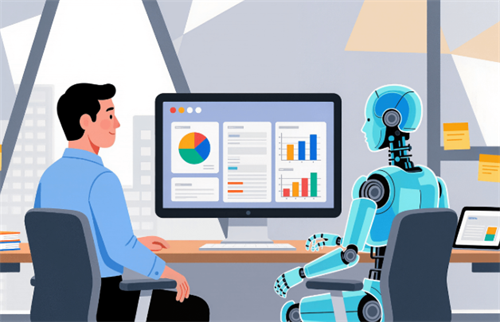
If the Same Drug Works Differently for Different People, Can AI Change the Equation?
In clinical medicine, a familiar but often frustrating reality exists: the same medication can produce very different outcomes across patients. One person may experience immediate symptom relief, another may see little improvement, while a third may develop serious side effects. For decades, this variability has challenged physicians and researchers alike.
Why does this happen? The answer lies partly in human biology. Individual genetic differences, metabolism, age, lifestyle, and coexisting illnesses can all influence how a drug behaves in the body. Yet traditional medicine has largely relied on standardized treatment models—one drug, one dosage, applied broadly to large populations.
In January 2026, a new attempt to address this long-standing issue emerged with the launch of Dudu™, an AI-based intelligent agent for precision medication, introduced in Changsha, China. The system aims to shift the logic of treatment from “patients adapting to drugs” toward “drugs adapting to patients.”
The concept behind Dudu is simple in principle but complex in execution: combine pharmacogenomics, clinical data, and artificial intelligence to help physicians design individualized medication plans. Instead of relying solely on trial-and-error prescribing, the system attempts to predict how a patient will respond to a drug before treatment begins.
This approach reflects a broader transformation in modern medicine—from reactive treatment toward predictive and personalized healthcare. The question is how such an intelligent system actually works, and whether it can meaningfully improve clinical practice.
Understanding the Core Mechanism: The Technical Loop Behind the Dudu Intelligent Agent
Achieving “medicine for each person, each time” requires more than a single algorithm. It depends on a complete technical ecosystem linking genetic testing, clinical databases, and AI decision support.
The Dudu Intelligent Agent operates through three interconnected stages: genetic data acquisition, knowledge-driven AI analysis, and clinical decision support.
1. Pharmacogenomics: Understanding How Genes Influence Drug Response
One of the central factors influencing drug response is genetics. Variations in genes that control drug metabolism can significantly change how medications are processed in the body.
The field known as Pharmacogenomics studies these relationships. Research has shown that certain gene variants influence both the effectiveness and safety of widely used medications.
For example:
Variations in the CYP2C19 gene can change how patients metabolize the antiplatelet drug Clopidogrel, potentially affecting its ability to prevent blood clots.
Specific HLA genotypes are associated with increased risk of severe drug-induced skin reactions in some patients.
The U.S. Food and Drug Administration maintains a pharmacogenomic biomarker database indicating that dozens of drugs now include genetic information in their labeling (updated 2025) [1].
These findings highlight a fundamental issue: two patients with identical diagnoses may require different medication strategies because their bodies process drugs differently.
The Dudu Intelligent Agent attempts to translate these genetic insights into practical clinical guidance.
2. Building a Population-Specific Data Foundation
Precision medicine depends heavily on data. However, many pharmacogenomics databases have historically been built primarily from European and North American populations.
Genetic variation across populations means that drug response patterns may differ globally.
The Dudu system incorporates pharmacogenomic research conducted by the team led by Zhou Honghao, a leading researcher in pharmacogenetics. His work has contributed to understanding genetic variations affecting drug metabolism within Asian populations.
This localized data foundation addresses a long-standing challenge in precision medicine: ensuring that predictive models reflect the biological diversity of real patient populations.
By integrating population-specific genomic information with clinical drug databases, the system attempts to produce more accurate medication recommendations for the patients it serves.
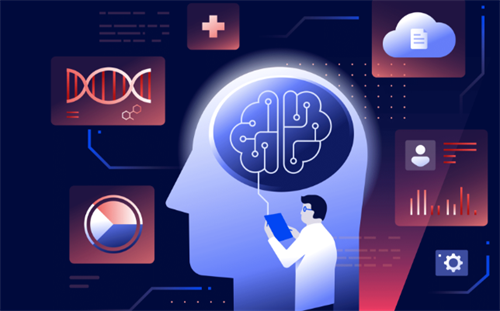
3. From Genetic Testing to AI Decision Support
The Dudu platform uses a structured workflow combining laboratory testing with AI analysis.
The process generally involves three steps:
Step 1: Genetic Testing
Patients undergo pharmacogenomic testing to identify variants in genes related to drug metabolism. One tool used in the system is the “4343” pharmacogenomic test kit, developed by Duozheng Laboratory, which analyzes gene variants associated with drug metabolism.
Step 2: Data Integration
The results are combined with clinical information such as:
Diagnosis;
medication history;
Comorbidities;
laboratory indicators;
Step 3: AI Analysis
The intelligent agent analyzes these data using a medical knowledge graph—a structured database linking drugs, genes, diseases, and clinical evidence.
This architecture allows the system to generate individualized recommendations, such as:
dosage adjustment;
alternative drug options;
warnings about potential adverse reactions;
4. Managing AI “Hallucinations” in Medical Decision Systems
One challenge associated with generative AI systems is the possibility of generating inaccurate information—sometimes referred to as AI hallucinations.
In medical contexts, such errors could have serious consequences.
To address this issue, the Dudu Intelligent Agent incorporates a hallucination control mechanism designed to prevent the generation of unsupported drug interactions or risk predictions. The system’s algorithmic framework has reportedly undergone regulatory registration within China’s algorithm governance system.
This design reflects a broader trend in medical AI development: ensuring that AI outputs remain grounded in validated clinical knowledge.
5. Bringing AI Decision Support into Everyday Clinical Practice
A critical challenge for precision medicine is translating complex genomic data into practical tools that clinicians can use.
To address this, the Dudu ecosystem introduced a lightweight digital application called Pharmaceutical Question Gene™, which allows physicians to input patient data and receive personalized medication guidance.
In practice, the system might produce recommendations such as:
reducing dosage if genetic data suggest slow drug metabolism;
suggesting alternative medications if genetic risk factors are present;
highlighting potential drug–drug interactions;
Such tools aim to bridge the gap between laboratory discoveries and daily clinical decision-making.
Clinical Significance: From Trial-and-Error Medicine to Predictive Medicine
The potential clinical value of AI-assisted precision medication can be viewed from three perspectives: patients, physicians, and healthcare systems.
For Patients: Avoiding Predictable Risks
Traditional prescribing often involves a degree of trial and error. Physicians start with standard treatment regimens and adjust them based on patient response.
While this process can eventually lead to effective therapy, it may expose patients to unnecessary side effects.
AI-supported pharmacogenomic analysis attempts to shift part of this trial-and-error process to the pre-treatment stage.
By predicting metabolic capacity and drug sensitivity in advance, the system may help identify safer and more effective treatment options earlier.
This approach can be particularly relevant for:
elderly patients;
individuals with impaired liver or kidney function;
patients taking multiple medications simultaneously;
According to global pharmacovigilance reports from the World Health Organization, medication-related adverse events remain a significant cause of hospital admissions worldwide (2024 update) [2].
Reducing preventable adverse reactions represents one potential benefit of precision medication tools.
For Doctors: Managing Information Overload
Modern medicine generates enormous volumes of clinical information.
Physicians must consider:
thousands of medications
complex drug interactions;
genetic variations affecting drug metabolism;
evolving clinical guidelines;
Integrating these factors during short outpatient consultations can be challenging.
AI systems like the Dudu Intelligent Agent may serve as decision-support tools, helping clinicians rapidly analyze relevant data and identify potential conflicts or risks.
Importantly, these systems are designed to assist—not replace—clinical judgment.
For Healthcare Systems: Expanding Access to Precision Medicine
In many healthcare systems, advanced pharmacological expertise is concentrated in large medical centers.
However, patients often receive treatment in community hospitals or rural clinics where specialized clinical pharmacists may not be available.
Digital decision-support tools may help extend precision medication capabilities to a wider range of healthcare settings.
By providing accessible medication guidance, AI systems could help reduce disparities in access to advanced medical knowledge.
A Reverse Perspective: The Global Limits of AI-Driven Precision Medication
While the promise of AI-assisted personalized medicine is significant, it is important to examine its limitations carefully.
Genes Are Only Part of the Story
Drug response is influenced by many factors beyond genetics, including:
Diet;
Lifestyle;
environmental exposures;
concurrent medications;
disease progression;
Genetic testing can predict metabolic tendencies but cannot capture all variables affecting treatment outcomes.
Therefore, AI recommendations should be interpreted as probabilistic guidance rather than definitive prescriptions.
Data Coverage Remains Incomplete
Precision medication systems rely on large datasets linking genes, drugs, and clinical outcomes.
However, no database currently covers the full diversity of human populations and medications worldwide.
Expanding data sharing and international research collaboration will be essential for improving predictive accuracy.
Balancing AI Recommendations with Clinical Judgment
Research has also highlighted differences between AI-generated treatment recommendations and physician decision-making.
A study published in PLOS Medicine in February 2026 examined treatment decisions for liver cancer and found that AI systems tended to follow clinical guidelines strictly, while physicians sometimes adjusted decisions based on nuanced patient conditions.
In some cases, strict adherence to guidelines produced less optimal outcomes.
This finding suggests that precision medicine requires a balance between algorithmic recommendations and human clinical insight.
The Dudu Intelligent Agent attempts to address this issue by incorporating multi-expert decision frameworks, allowing multiple clinical perspectives to inform the system’s outputs.
Practical Considerations: How Patients and Clinicians Can Use AI Medication Tools
For individuals interested in precision medication technologies, several practical considerations may help guide responsible use.
Clarify the Purpose of Genetic Testing
Pharmacogenomic testing is most useful when a clear gene–drug relationship exists.
For medications that have already been used successfully for many years without complications, the additional benefit of genetic testing may be limited.
Discussing testing decisions with a physician can help determine whether the information is likely to influence treatment choices.
Interpret AI Recommendations Carefully
AI-generated medication suggestions should be viewed as reference information rather than final prescriptions.
If AI recommendations differ from a physician’s treatment plan, it may be helpful to ask about the reasons behind the difference. Sometimes clinical judgment incorporates factors not included in algorithmic models.
Recognize That Precision Medicine Is an Ongoing Process
Personalized medication strategies may evolve as health conditions change, new drugs become available, or additional clinical data emerge.
AI tools can therefore function as long-term health management companions rather than single-use decision systems.
Conclusion
The launch of the Dudu Intelligent Agent reflects a broader shift in healthcare thinking.
For much of modern medical history, treatment strategies have relied on standardized therapies developed for large populations. While this approach has achieved enormous progress, it inevitably overlooks individual biological differences.
AI-driven precision medication systems represent an effort to bridge this gap by combining pharmacogenomics, clinical data integration, and intelligent decision support.
Such technologies do not eliminate the complexity of human biology, nor do they replace the expertise of physicians. Instead, they offer analytical tools capable of processing information at scales beyond human capacity.
If implemented carefully and validated through rigorous clinical research, AI agents like Dudu may help move medicine closer to a long-standing aspiration: treatment strategies that adapt to each patient’s unique biological profile and evolve over time.
In that sense, the ultimate goal is not simply technological innovation but a deeper transformation in how medicine understands and treats human diversity.
References
[1] U.S. Food and Drug Administration. (2025). Table of Pharmacogenomic Biomarkers in Drug Labeling.
https://www.fda.gov/drugs/science-research-drugs/table-pharmacogenomic-biomarkers-drug-labeling
[2] World Health Organization. (2024). Medication Safety and Pharmacovigilance Global Report.
https://www.who.int/publications
[3] PLOS Medicine. (2026). Artificial intelligence and physician decision-making in oncology treatment planning.
https://journals.plos.org/plosmedicine
[4] National Institutes of Health. (2025). Precision Medicine and Genomic Data Integration.
https://www.nih.gov
[5] European Medicines Agency. (2026). Digital Transformation of Medicines Regulation and AI Tools in Healthcare.
https://www.ema.europa.eu
About the Author:
Dr. Nathaniel Brooks is a U.S.–based biomedical informatics researcher and healthcare technology analyst specializing in precision medicine, pharmacogenomics, and artificial intelligence in clinical decision-support systems. He holds a PhD in Biomedical Informatics and a Master of Science in Pharmaceutical Sciences, with research focusing on AI-assisted drug response prediction and personalized therapeutics. His work explores how genomic data integration, machine learning models, and digital health platforms can improve medication safety, optimize dosing strategies, and support individualized treatment planning. Dr. Brooks has contributed to interdisciplinary studies on pharmacogenomic databases, AI-assisted clinical tools, and emerging regulatory frameworks for AI-enabled healthcare technologies.
Disclaimer
This article is intended for educational and informational purposes only. It does not constitute medical advice, diagnosis, or treatment recommendations. Readers should consult qualified healthcare professionals before making decisions regarding medication use, genetic testing, or healthcare technologies. AI-assisted medical systems should always be used under appropriate clinical supervision.
Recommended for you: