Will GLP-1 withdrawal lead to rebound? Data will reveal the truth & How to stabilize your weight
GLP-1 drugs have changed how obesity and type 2 diabetes are treated. Many people can now lose 10–20% of their body weight and improve blood sugar at the same time.
But by 2026, a new question has become more important. What happens after the drug is stopped is now just as relevant as what happens during treatment.
Research from large trials and real-world data shows a clear pattern. Weight regain is common, and it follows predictable biological rules rather than simple loss of willpower.
1. What the Latest Data Actually Show
Recent evidence from a 2026 meta-analysis in BMJ looked at over 9,000 people using weight-loss drugs, including GLP-1 therapies. After stopping treatment, people regained weight at an average rate of about 0.4 kg per month. For newer GLP-1 drugs, the rate was closer to 0.8 kg per month [1].
This means that within one to two years, many people return close to their starting weight. Blood sugar, blood pressure, and cholesterol also move back toward previous levels during the same period.
A separate analysis from the University of Cambridge shows a more nuanced picture. About 60% of lost weight returns within a year, but around 25% may remain off in the long term [3].
This suggests that rebound is common, but not always complete. The body does not fully reset, but it does not fully forget the change either.
2. Why Rebound Happens Faster Than Expected
Weight regain after GLP-1 therapy is often faster than after lifestyle changes alone. Studies suggest drug-related weight loss reverses about three times faster than lifestyle-based weight loss [1].
This difference is not only biological. Lifestyle programs require people to actively manage food intake and habits, which builds long-term skills.
GLP-1 drugs reduce appetite directly, so less effort is needed during treatment. When the drug is stopped, the biological support disappears, but the behavioral habits may not be strong enough to replace it.
3. This Is Not a “Rebound Effect” in the Usual Sense
The term “rebound” can be misleading. In many medical situations, rebound means symptoms become worse than before.
With GLP-1 drugs, most people return toward their original state rather than going beyond it. This is better described as the loss of a controlling effect rather than an overreaction.
A more accurate way to understand it is that the drug holds certain biological systems in check. Once it is removed, those systems gradually return to their previous balance.
4. The Biology Behind Weight Regain
GLP-1 drugs work partly by reducing appetite. When treatment stops, hunger signals increase again, often gradually rather than suddenly.
At the same time, the body adapts to weight loss by lowering energy use. This adaptation does not disappear after stopping the drug, which makes it easier to regain weight.
There is also evidence that the body has a preferred weight range. Treatment can shift this range for a time, but it often moves back when the drug is removed.

5. Metabolic Changes Do Not Fully Disappear
Weight is only one part of the picture. GLP-1 drugs also improve blood sugar, blood pressure, and cholesterol levels.
After stopping treatment, these benefits tend to decline over time. Studies show many markers return close to baseline within about one to one and a half years [1][3].
This suggests that the drugs are managing ongoing processes rather than permanently fixing them. The underlying condition remains active.
6. Body Composition: An Underestimated Factor
Weight regain is not only about how much weight returns, but also what type of weight comes back.
During treatment, a portion of weight loss comes from muscle as well as fat. When weight is regained, it may consist more of fat than muscle.
This can lead to a higher body fat percentage than before, even if total weight is similar. Some researchers describe this as a shift toward “sarcopenic obesity,” which may carry higher health risks.
7. Treatment Duration Does Not Fully Solve the Problem
It might seem logical that longer treatment would prevent rebound. However, current evidence suggests this is not entirely the case.
Longer use often leads to greater total weight loss, but the proportion regained after stopping remains significant.
This means duration helps outcomes, but it does not remove the underlying biological tendency to regain weight.
8. Prevention: A Strategy Rather Than a Single Action
Preventing rebound is not about avoiding it completely. It is more realistic to focus on slowing it down and reducing its impact.
One possible approach is gradual discontinuation. Although strong trial data are still limited, tapering the dose may allow the body and behavior to adjust more smoothly.
Another key idea is timing. Changes in eating patterns and activity are easier to establish while appetite is still controlled by the drug.
9. Using the Treatment Phase More Effectively
The period during which GLP-1 drugs suppress appetite can be seen as a window of opportunity.
During this time, it may be easier to develop consistent meal patterns, reduce high-calorie foods, and adjust portion sizes.
If these changes are in place before stopping treatment, the transition afterward may be more stable.
10. Muscle Preservation Matters
Maintaining muscle mass plays an important role in long-term outcomes. Muscle helps regulate metabolism and supports blood sugar control.
After weight loss, preserving muscle may reduce the tendency for rapid regain. This can be supported by adequate protein intake and regular resistance exercise.
The goal is not extreme training, but consistent habits that support metabolic stability.
11. The Role of Long-Term Treatment
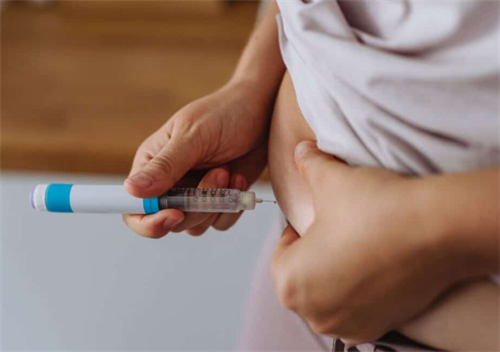
An important shift in thinking is taking place in 2026. GLP-1 drugs are increasingly seen as long-term treatments rather than short-term tools.
Evidence shows that continued use helps maintain weight loss, while stopping often leads to reversal.
This approach is similar to how other chronic conditions are managed, such as high blood pressure or high cholesterol.
12. Oral GLP-1 Drugs and Adherence
The rise of oral GLP-1 therapies introduces a new factor. Simpler dosing may improve long-term use and reduce the likelihood of stopping treatment.
If patients can maintain therapy more easily, the issue of rebound may become less prominent.
This suggests that convenience and adherence may be as important as the drug’s biological effect.
13. A Predictive View: What May Change Next
The focus of research is gradually shifting from how to lose weight to how to maintain it. Future studies are likely to examine long-term strategies in more detail.
Combination approaches, including multiple drugs and behavioral support, may become more common.
There is also growing interest in tailoring treatment plans to individual risk profiles rather than using a single standard approach.
Conclusion
GLP-1 withdrawal rebound is a consistent and expected outcome based on current evidence. It reflects how the body regulates weight and metabolism rather than a failure of treatment.
Weight regain is often substantial but not always complete. The speed of regain is influenced by both biology and behavior.
The most effective approach is to plan ahead. Gradual transitions, habit formation, and in some cases continued treatment can help manage long-term outcomes.
In 2026, the key shift is clear. These drugs are not just tools for weight loss, but part of a broader strategy for long-term metabolic health.
References:
[1] West, S., et al. (2026). Weight regain after cessation of medication for weight management: A systematic review and meta-analysis. BMJ. https://www.bmj.com
[2] American Diabetes Association. (2026). Standards of Care in Diabetes—2026. https://diabetesjournals.org/care
[3] Tzang, C. C., et al. (2025). Metabolic rebound after GLP-1 receptor agonist discontinuation: A systematic review and meta-analysis. eClinicalMedicine. https://www.thelancet.com
[4] Wilding, J. P. H., et al. (2022–2024 updates). Weight regain after semaglutide withdrawal (STEP trials). Diabetes, Obesity and Metabolism. https://doi.org/10.1111/dom.14725
[5] Jastreboff, A. M., et al. (2023–2025 updates). Tirzepatide and weight regain after discontinuation (SURMOUNT trials). New England Journal of Medicine. https://www.nejm.org
Author Information
Dr. Daniel Foster, MD, PhD, is a physician-scientist specializing in endocrinology and metabolic diseases. He has over 12 years of clinical and research experience in obesity, diabetes, and cardiovascular risk management. His work focuses on translating clinical evidence into practical approaches for long-term health management. Dr. Foster has contributed to peer-reviewed journals and international conferences, with particular expertise in GLP-1 receptor agonists and metabolic therapies. He is committed to providing accurate, evidence-based information in a clear and accessible style.
Disclaimer
This article is for educational purposes only and does not replace professional medical advice. Individual treatment decisions should be made in consultation with qualified healthcare professionals, based on personal health conditions and current clinical guidelines.