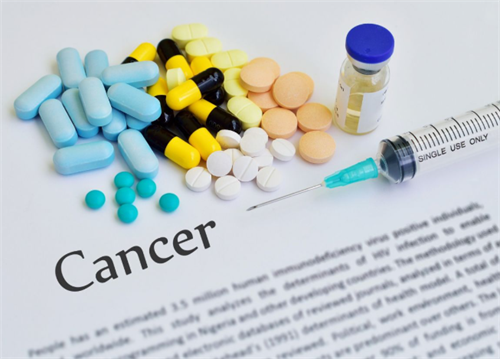
The Rise of the Self-Paid Drug Market: What Should Pharmaceutical Companies Do When Patients Buy Drugs on Their Own?
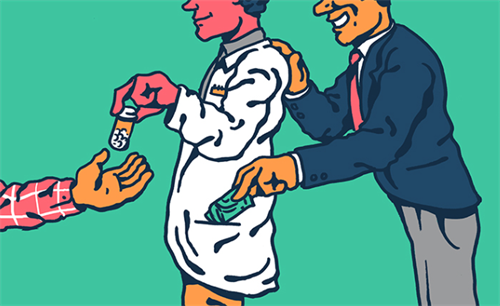
When Patients No Longer Wait for the System
For decades, the traditional pharmaceutical model assumed a clear pathway: physicians prescribe, insurers reimburse, and patients follow medical advice within structured healthcare systems. But a subtle shift is underway. Increasing numbers of patients are choosing to purchase medications on their own—sometimes paying out of pocket for newly approved therapies, imported medicines, or drugs recommended through online communities.
This raises a complex question: what happens when patients become direct consumers of pharmaceuticals rather than passive recipients of prescriptions?
The rise of the self-paid drug market—where patients independently purchase medications outside insurance coverage or formal treatment programs—is reshaping how pharmaceutical companies think about access, evidence, and responsibility. While this trend is often framed as a pricing issue, it reflects deeper structural changes in healthcare: increased medical transparency, faster regulatory pathways, digital patient communities, and growing dissatisfaction with traditional reimbursement systems.
From a pharmaceutical industry perspective, this phenomenon is not simply a commercial opportunity. It also introduces regulatory, ethical, and clinical challenges. Understanding the mechanisms behind this shift may help companies respond more rationally and responsibly.
Understanding the Mechanism: Why Patients Are Buying Drugs Themselves
The expansion of self-paid drug use is not accidental. Several structural forces are converging.
1. The Gap Between Drug Innovation and Insurance Coverage
Modern drug development—particularly in oncology, rare diseases, and metabolic disorders—has accelerated rapidly. Regulatory agencies such as the U.S. Food and Drug Administration (FDA) and the European Medicines Agency (EMA) increasingly use accelerated approval pathways to bring promising therapies to patients sooner.
However, insurance reimbursement decisions often lag behind approvals.
For example:
According to the FDA Drug Approvals Report (2025 update), more than 60 novel drugs were approved in 2024, many through expedited programs.
Yet reimbursement negotiations in several markets can take 12–24 months after approval.
During this gap, patients who urgently want treatment may choose to pay themselves.
This delay effectively creates a temporary self-pay market window, particularly for high-value drugs such as oncology immunotherapies or gene-targeted treatments.
2. The Expansion of Digital Health Information
Patients today have access to a vast ecosystem of medical information:
clinical trial databases;
online physician platforms;
patient advocacy communities;
health-focused social media;
This environment increases what health economists call “therapeutic awareness.”
For instance, patients with rare diseases often track clinical trial outcomes closely. When a therapy demonstrates promising survival or quality-of-life benefits, some patients attempt to obtain it even before insurance systems adopt coverage policies.
In a 2025 survey published in Health Affairs, approximately 38% of patients with rare diseases reported considering out-of-pocket purchase of newly approved therapies if reimbursement was delayed.
This illustrates a broader transition: patients are no longer passive participants in treatment decisions.
3. Globalization of Drug Access
Another structural factor is cross-border pharmaceutical access.
Patients increasingly obtain medications through:
international pharmacies;
medical tourism;
cross-border telemedicine prescriptions;
The EMA access report (2025) notes that several European specialty medicines become available in different countries 6–18 months apart, creating price and access disparities that motivate self-purchase across borders.
For pharmaceutical companies, this phenomenon introduces a new layer of complexity: drug demand may emerge before official market launch in certain regions.
4. The Psychological Dimension: Control in Serious Illness
Beyond economic factors, there is also a psychological component.
In severe diseases such as cancer or neurodegenerative disorders, patients often feel that time is limited. Waiting for reimbursement decisions or bureaucratic approval processes can be emotionally difficult.
Self-payment sometimes represents an attempt to regain agency in uncertain medical situations.
From a reverse perspective, the self-paid drug market can be interpreted not merely as consumer behavior, but as a signal of unmet clinical urgency within healthcare systems.
Clinical Significance: Opportunities and Risks
The emergence of self-paid drug markets carries both potential benefits and real risks.
1. Earlier Access to Innovation
In some cases, self-payment allows patients to access therapies earlier than traditional systems permit.
For example, targeted cancer drugs that demonstrate survival benefits in clinical trials may become available months or years before national reimbursement decisions are finalized.
The American Society of Clinical Oncology (ASCO) clinical guidance update in 2026 notes that certain precision oncology therapies may provide meaningful survival advantages when used earlier in the disease course.
Earlier access therefore has potential clinical value, particularly in rapidly progressing diseases.
2. Evidence Interpretation Challenges
However, early access also introduces a critical issue: evidence maturity.
Many therapies approved through accelerated regulatory pathways rely on surrogate endpoints, such as tumor response rate or biomarker improvement rather than long-term survival outcomes.
The FDA Accelerated Approval Program Review (2024–2025) highlighted that some drugs later require additional studies to confirm clinical benefit.
Patients purchasing drugs independently may therefore be acting on incomplete evidence, which raises ethical questions for pharmaceutical companies and healthcare providers.
3. Safety and Monitoring Concerns
Traditional treatment systems provide structured monitoring:
adverse event tracking;
dosage adjustment;
drug interaction management;
Self-purchased medications may be used without equivalent clinical oversight.
This creates risks such as:
incorrect dosing;
off-label use without medical guidance;
drug interactions with other therapies;
Pharmacovigilance becomes more difficult when drugs are obtained through informal channels.
4. Health Inequality
The self-pay market can unintentionally widen healthcare disparities.
Patients with greater financial resources may gain earlier access to therapies, while others must wait for reimbursement coverage.
The World Health Organization pharmaceutical access report (2024) emphasizes that equitable access remains a central ethical concern in modern medicine.
Thus, while self-paid markets can improve access for some individuals, they may simultaneously reinforce structural inequalities.
Strategic Responses: What Pharmaceutical Companies Can Consider
The growth of the self-paid drug market suggests that pharmaceutical companies may need to adapt their strategies. Several approaches are increasingly discussed in policy and industry circles.
1. Transparent Evidence Communication
When patients actively seek therapies, clear explanation of evidence strength becomes essential.
Companies can consider publishing accessible summaries of:
clinical trial results;
real-world evidence;
known safety limitations;
This aligns with the patient-centric communication guidelines released by the FDA in 2025, which encourage industry transparency for non-professional audiences.
Such transparency may reduce misinformation and help patients make more rational decisions.
2. Expanded Early Access Programs
Another approach is to expand structured access pathways such as:
compassionate use programs;
expanded access programs;
managed early access schemes;
These programs allow patients with serious conditions to receive investigational or newly approved drugs under medical supervision.
According to FDA Expanded Access Program statistics (updated 2025), more than 1,800 patients per year receive investigational drugs through such mechanisms.
From a translation perspective, these programs serve as a bridge between clinical trials and real-world clinical use, providing both treatment opportunities and valuable safety data.
3. Real-World Evidence Collection
If self-paid drug use continues to grow, pharmaceutical companies may increasingly rely on real-world data (RWD) to monitor outcomes.
This includes information from:
electronic health records;
patient registries;
digital monitoring platforms;
The EMA real-world evidence framework (updated 2026) emphasizes that RWD can complement clinical trials in evaluating long-term safety and effectiveness.
For companies, systematic data collection helps ensure that patient-driven access does not occur without scientific oversight.
4. Innovative Pricing and Access Models
Another response involves flexible pricing strategies, including:
outcome-based pricing;
installment payment models;
patient assistance programs;
These approaches attempt to balance innovation incentives with affordability.
For example, several gene therapies introduced in recent years have adopted performance-linked reimbursement, where payment is tied to clinical outcomes over time.
Such models may gradually reduce the need for purely self-paid drug acquisition.
5. Responsible Digital Engagement
As patients increasingly seek information online, pharmaceutical companies may consider engaging more responsibly in digital health ecosystems.
This does not mean direct promotion to consumers in regulated markets, but rather:
supporting patient education initiatives;
collaborating with patient advocacy organizations;
improving digital safety information;
In the long term, trustworthy information may be as important as drug development itself.
The rise of the self-paid drug market reflects a broader transformation in modern healthcare. Patients today are better informed, more connected, and more willing to participate actively in treatment decisions.
From one perspective, this shift represents a challenge to traditional pharmaceutical systems. But from another perspective, it may also be interpreted as a signal that healthcare structures are evolving faster than reimbursement frameworks can adapt.
For pharmaceutical companies, the key issue is not simply whether patients buy drugs independently. The deeper question is how innovation, access, and evidence can remain aligned in a more patient-driven healthcare environment.
The future likely lies somewhere between two extremes:
unrestricted consumer access to drugs;
rigid institutional gatekeeping;
A balanced approach—combining transparent evidence, responsible access programs, and ongoing safety monitoring—may allow innovation to reach patients while preserving scientific integrity.
In that sense, the self-paid drug market is not merely a commercial trend. It is a reminder that modern medicine increasingly operates at the intersection of science, policy, and patient autonomy.
References
[1] U.S. Food and Drug Administration. (2025). New Drug Therapy Approvals 2024.
https://www.fda.gov/drugs
[2] European Medicines Agency. (2026). Real-World Evidence Framework to Support EU Regulatory Decision-Making.
https://www.ema.europa.eu
[3] American Society of Clinical Oncology. (2026). Precision Oncology Clinical Practice Update.
https://www.asco.org
[4] World Health Organization. (2024). Global Report on Access to Medicines.
https://www.who.int/publications
[5] Health Affairs. (2025). Patient access and out-of-pocket spending for innovative therapies.
https://www.healthaffairs.org
About the Author:
Dr. Alaric Whitmore is a U.S.–based pharmaceutical policy analyst and clinical research scholar specializing in drug access systems, regulatory science, and real-world evidence in modern medicine. He holds a PhD in Health Policy and Pharmaceutical Outcomes Research and a Master of Public Health (MPH) in Epidemiology. His research focuses on the intersection of drug approval pathways, patient access to innovative therapies, and post-marketing evidence generation.
Dr. Whitmore has participated in collaborative research projects involving regulatory policy analysis related to the U.S. Food and Drug Administration (FDA) accelerated approval programs and the European Medicines Agency (EMA) real-world evidence initiatives. His published work examines how emerging patient-driven healthcare behaviors—such as self-paid drug acquisition and cross-border treatment access—are reshaping pharmaceutical market dynamics.
He regularly contributes science communication articles translating complex clinical trial findings, regulatory announcements, and public health policies into accessible insights for general readers. His work emphasizes evidence-based interpretation, patient-centered perspectives, and responsible pharmaceutical innovation.
Disclaimer
This article is intended for educational and public health information purposes only. It does not constitute medical advice, diagnosis, or treatment recommendations. Patients should consult qualified healthcare professionals before making decisions about medication use or treatment options.
Recommended for you: