AI-Driven Drugs Entering Phase III Clinical Trials: Why 2026 Is the Crucial Validation Year?
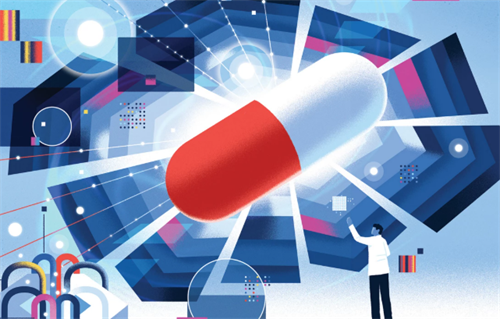
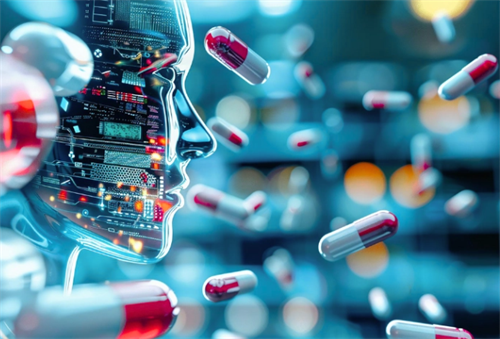
For more than a decade, artificial intelligence has been widely discussed as a transformative force in biomedical research. In drug discovery, algorithms can analyze vast biological datasets, design candidate molecules, and predict pharmacological properties faster than traditional laboratory workflows.
Yet a fundamental question has remained unresolved: can AI-designed drugs survive the most demanding stage of clinical testing and become real therapies for patients?
For several years, the conversation around AI in pharmaceuticals often resembled a technological preview. Reports described algorithms generating molecules or predicting protein structures, but relatively few of those discoveries had progressed far enough to demonstrate clinical impact.
By 2026, that situation is beginning to change. The first cohort of drug candidates discovered or designed with substantial AI involvement is approaching Phase III clinical trials, the stage at which large patient populations are studied to confirm safety and therapeutic effectiveness. At the same time, regulatory agencies including the U.S. Food and Drug Administration (FDA) and the European Medicines Agency (EMA) have begun issuing formal guidance on the use of artificial intelligence in drug development.
This convergence makes 2026 a meaningful turning point. It represents the moment when AI-driven drug discovery begins moving from technical feasibility toward clinical validation.
Understanding the Core Mechanism: What Does It Mean for AI to “Design” a Drug?
In traditional pharmaceutical research, discovering a new drug resembles an extended search through a vast chemical landscape. Millions of potential compounds may exist, but only a very small fraction will have the right biological activity, safety profile, and pharmacokinetic properties required for clinical use.
This search process typically involves several stages:
Identifying a biological target associated with disease;
Screening thousands or millions of molecules;
Optimizing promising compounds through iterative chemical modifications;
Conducting preclinical testing;
Advancing candidates through clinical trials;
The journey from target identification to clinical candidate selection alone can take four to five years in conventional development pipelines.
Artificial intelligence does not eliminate these stages. Instead, it functions as a data-driven navigation system that reduces the uncertainty of each step.
1. Target Discovery Through Biological Data Integration
Modern biomedical research generates enormous volumes of biological data—genomic sequences, transcriptomic profiles, proteomic networks, and clinical records. AI systems can integrate these datasets to identify patterns linking specific genes or proteins to disease pathways.
Machine-learning models can analyze thousands of variables simultaneously, helping researchers prioritize targets that may have stronger therapeutic potential.
This approach expands the pool of possible drug targets beyond those identified through traditional hypothesis-driven laboratory studies.
2. Generative Molecular Design
One of the most visible applications of AI in drug discovery is generative molecular design. These models learn the structural “language” of chemistry from large compound libraries and generate entirely new molecular structures predicted to interact with specific biological targets.
For example, rentosertib (ISM001-055)—a candidate therapy for idiopathic pulmonary fibrosis—was discovered using generative AI systems capable of designing novel small molecules optimized for target binding and drug-like properties. Early development data suggest that AI-based design allowed the program to progress from target identification to clinical trials much faster than conventional approaches.
Platforms such as Pharma.AI developed by Insilico Medicine have reported that the time required to identify a preclinical candidate compound can be reduced to 12–18 months, compared with several years using traditional screening methods. (Insilico Medicine, updated 2025) [1].
3. Learning From Failure: Predicting Drug Safety and Pharmacology
Another key capability of AI lies in analyzing historical datasets of both successful and failed drug candidates.
Many compounds fail during development because of toxicity, poor metabolic stability, or inadequate absorption in the human body. By training on these historical outcomes, machine-learning models can predict potential risks earlier in the design process.
A useful example is the oral GLP-1 receptor agonist MDR-001, designed using an AI-based molecular design platform. The algorithm analyzed large datasets of prior compounds to identify structural patterns associated with toxicity or poor metabolism, allowing researchers to avoid these pitfalls during molecular design.
In practical terms, this means chemists may only need to synthesize 60–200 molecules before identifying a viable candidate—compared with thousands of synthesized compounds in traditional discovery programs.
This shift does not eliminate experimental work, but it dramatically improves the precision of early decision-making.
4. AI in Clinical Development and Trial Design
Artificial intelligence is also beginning to influence later stages of drug development, including clinical trials.
Algorithms can assist with:
identifying suitable clinical trial sites;
predicting patient recruitment patterns;
stratifying participants according to genetic or clinical characteristics;
optimizing dose groups and trial endpoints;
These tools can increase the statistical power of clinical studies while reducing operational inefficiencies. However, the biological timeline of clinical observation remains unchanged, meaning that large trials still require years of patient monitoring.
Why Phase III Clinical Trials Are the Ultimate Test?
Despite the efficiency gains in early discovery, the pharmaceutical industry measures success through clinical outcomes.
Historically, the majority of drug candidates fail during development. Analyses of pharmaceutical pipelines show that fewer than 10% of drugs entering clinical trials eventually reach regulatory approval. A significant proportion of these failures occur during Phase II and Phase III trials, when drugs are tested in larger patient populations.
Phase III studies represent the most demanding stage of clinical research because they involve:
hundreds to thousands of participants;
randomized and controlled study designs;
multi-center international trials;
long follow-up periods to evaluate safety and effectiveness;
These trials determine whether a new therapy performs better than existing treatments or placebo under real clinical conditions.
For AI-designed drugs, Phase III trials provide the first opportunity to evaluate whether computationally generated molecules can consistently deliver clinical benefit at scale.
The Emerging Pipeline of AI-Designed Drug Candidates:
Over the past several years, the number of AI-enabled drug programs entering clinical development has increased rapidly.
According to industry analyses, more than 120 AI-assisted drug candidates were in clinical trials globally by the end of 2025, representing an increase of nearly 80% compared with 2023 (ClinicalTrialsArena, 2025) [2].
Several examples illustrate how these programs span diverse therapeutic areas.
Rentosertib (ISM001-055): Treating Idiopathic Pulmonary Fibrosis
Rentosertib is often cited as one of the first drug candidates generated largely through generative AI techniques. The compound targets the TNIK signaling pathway associated with fibrotic diseases.
In a Phase IIa clinical study, the high-dose group demonstrated an average improvement of 98.4 mL in forced vital capacity (FVC), while patients receiving placebo experienced an average decline of 62.3 mL. These findings provided early evidence that AI-designed molecules can produce clinically measurable benefits.
Phase III trials will determine whether these results can be reproduced in larger populations.
MDR-001: AI-Designed GLP-1 Receptor Agonist
MDR-001 represents another example of AI-assisted molecular design, targeting metabolic disorders such as type 2 diabetes and obesity.
In a Phase IIb trial involving 317 participants, patients receiving MDR-001 experienced an average 10.3% reduction in body weight after 24 weeks of treatment, with a discontinuation rate due to adverse reactions of only 0.8%.
The upcoming Phase III MOBILE study, which plans to enroll approximately 750 participants, aims to confirm whether these safety and efficacy results can be replicated at scale.
REC-4881: Targeting Rare Genetic Disease
Another candidate drawing attention is REC-4881, developed by Recursion Pharmaceuticals to treat familial adenomatous polyposis (FAP), a rare inherited condition characterized by the development of numerous intestinal polyps.
Rare diseases present a particular opportunity for AI-driven drug discovery because the limited number of patients makes traditional research strategies challenging.
Why 2026 Is Considered a Critical Validation Year?
Several scientific, regulatory, and industrial factors converge around 2026, making it a pivotal year for evaluating AI-based drug development.
1. The First Generation of AI-Designed Drugs Is Reaching Late-Stage Trials
Many AI drug discovery platforms were launched between 2016 and 2018. Given the typical development timeline, molecules discovered during that period are now progressing into Phase III studies.
This represents the first real opportunity for large-scale clinical validation of AI-designed therapies.
2. The Industry Faces the Challenge of “Eroom’s Law”
Drug development productivity has declined over the past several decades, a phenomenon sometimes referred to as Eroom’s Law—a reversal of Moore’s Law in the semiconductor industry. According to this observation, the cost of bringing a new drug to market roughly doubles every nine years.
AI advocates argue that computational design could reverse this trend by improving early-stage success rates and reducing wasted resources.
Phase III results emerging around 2026 will provide the first empirical test of whether this hypothesis holds true.
3. Regulatory Frameworks Are Beginning to Take Shape
Another important development is the emergence of regulatory guidance.
In January 2026, the FDA and EMA jointly released the “Guiding Principles of Good AI Practice in Drug Development.” This document outlines key requirements for the use of AI in pharmaceutical research, including:
human oversight in decision-making;
risk-based evaluation of algorithms;
transparency and traceability of AI models;
rigorous validation of training datasets;
These principles indicate that regulators are moving from a period of observation toward a phase of practical implementation.
Importantly, the guidelines emphasize that AI models used in drug discovery must be interpretable and free from systematic bias, particularly when clinical trials involve diverse global populations.
A Reverse Perspective: Why Skepticism Remains Necessary
Although enthusiasm surrounding AI-driven drug discovery is substantial, a balanced assessment requires acknowledging the uncertainties that remain.
From a reverse perspective, the ability of AI to design molecules does not automatically guarantee clinical success.
Several scientific challenges persist.
Biological Complexity
Human diseases involve complex biological networks influenced by genetics, environment, and lifestyle factors. Even sophisticated computational models may not capture these interactions fully.
Data Bias and Model Interpretability
AI systems rely on training data. If those datasets are incomplete or biased—for example, representing only certain genetic populations—the resulting predictions may not generalize across diverse clinical populations.
Clinical Reality
No matter how accurate computational predictions become, drug absorption, metabolism, and long-term safety must still be evaluated in human trials.
In this sense, Phase III clinical trials function not only as a test of the drug itself but also as a test of the underlying AI methodology.
Practical Suggestions: How to Interpret the “AI Drug Boom” Rationally
Given the rapid expansion of AI-related pharmaceutical news, readers and professionals may benefit from a structured way to evaluate developments in this field.
1. Distinguish Between “AI-Assisted” and “AI-Discovered” Drugs
Many drug programs describe themselves as AI-enabled, but in some cases AI may only be used for a specific step, such as optimizing chemical synthesis routes.
Programs that rely on AI for target discovery or molecular design represent a deeper integration of the technology.
2. Recognize the Scientific Value of Failure
Not every AI-designed drug entering Phase III trials will succeed. In fact, failures are statistically expected.
However, transparent analysis of failed trials can improve algorithm design by identifying gaps in predictive models.
In scientific progress, well-understood failures often provide more insight than unexplained successes.
3. Be Cautious About the “Speed Narrative”
AI has clearly accelerated early-stage discovery, sometimes reducing the time from project initiation to clinical candidate selection to less than two years.
However, Phase III trials still require 1–4 years of observation, because clinical outcomes depend on biological processes that cannot be compressed.
Any claim that a drug has passed Phase III unusually quickly should be interpreted carefully.
4. Evaluate Clinical Value Rather Than Technical Claims
For patients and healthcare professionals, the most relevant evidence remains clinical data:
improvement in survival or disease progression;
reduction in symptoms;
safety and tolerability;
quality-of-life outcomes;
These indicators ultimately determine whether a drug provides meaningful therapeutic benefit.
The Broader Impact: How AI Could Reshape the Pharmaceutical Industry
Beyond individual drug candidates, the validation of AI-driven discovery could reshape the structure of biomedical innovation.
If Phase III trials confirm that AI-designed molecules can succeed clinically, several long-term shifts may occur:
pharmaceutical research timelines could shorten;
drug discovery could expand to previously inaccessible targets;
collaboration between biotechnology firms and technology companies may deepen;
research productivity across the industry could improve;
Many major pharmaceutical companies—including Roche, Novartis, and Bayer—have already established partnerships with AI-focused biotechnology firms to integrate computational platforms into their research pipelines.
The emerging AI pharmaceutical ecosystem now includes data platforms, contract research organizations, and specialized drug design companies.
Conclusion
Defining 2026 as a “critical validation year” does not imply that AI will suddenly transform medicine overnight.
Rather, it represents a moment when two processes occur simultaneously.
First, the past decade of technological development is being tested in the real world through large-scale clinical trials. If AI-designed drugs demonstrate strong efficacy and safety in Phase III studies, it would confirm that computational drug discovery can produce therapies comparable to—or potentially better than—those developed through traditional approaches.
Second, the complexity of clinical medicine will continue to challenge the limitations of current algorithms. Even powerful AI systems cannot fully simulate the intricacies of human biology.
In that sense, the results emerging from Phase III trials will serve as both validation and calibration. They will reveal not only what AI can achieve today, but also where further innovation is required.
For the pharmaceutical industry, researchers, and patients alike, 2026 may therefore be remembered less as an endpoint and more as the starting point of a new phase of collaboration between artificial intelligence and biomedical science.
References
[1] Insilico Medicine. (2025). AI-driven drug discovery and development pipeline update. https://insilico.com
[2] ClinicalTrialsArena. (2025). AI-assisted drugs in clinical trials: global pipeline analysis. https://www.clinicaltrialsarena.com
[3] European Medicines Agency & U.S. Food and Drug Administration. (2026). Guiding principles of good AI practice in drug development. https://www.ema.europa.eu/en/news/ema-fda-set-common-principles-ai-medicine-development
[4] Arnold, C. (2023). Inside the nascent industry of AI-designed drugs. Nature Medicine, 29, 186–188. https://www.nature.com/articles/s41591-023-02361-2
[5] National Academies of Sciences. (2025). Artificial intelligence in biomedical discovery and development. https://www.nationalacademies.org
Author Information
Dr. Alden Whitaker Rowe is an independent researcher in the field of biomedicine. He previously served as a scientific advisor at the Center for Drug Evaluation and Research (CDER) of the US Food and Drug Administration (FDA), and has long provided industrial pharmacy policy consultation for the International Federation of Pharmaceutical Manufacturers and Associations (FIP). With over 12 years of experience in drug research and regulatory science, he specializes in AI-driven drug discovery, clinical translation strategies, and global regulatory coordination research. This article is written based on publicly available authoritative data and the author's industry observations, aiming to provide readers with in-depth references.
Disclaimer
This article is intended for educational and informational purposes only. It does not provide medical advice, diagnosis, or treatment recommendations. Readers should consult qualified healthcare professionals for medical guidance. Scientific knowledge evolves continuously, and conclusions discussed here may change as new research and clinical data become available.
Recommended for you: