Does the “Semaglutide Face” Really Exist?The Impact of Rapid Weight Loss on Appearance and How to Deal with It

In recent years, GLP-1 receptor agonists such as semaglutide have significantly changed the treatment landscape for obesity and metabolic disease. Alongside their growing use, a new term has entered public discussion: “semaglutide face.” It is often used to describe facial changes such as hollow cheeks, sagging skin, or a more aged appearance after weight loss.
At first glance, this may seem like a side effect specific to the medication. However, a closer look at clinical evidence suggests a different explanation. The phenomenon is less about the drug itself and more about how the body responds to rapid weight reduction.
What People Mean by “Semaglutide Face”?
The term does not refer to a medical diagnosis. It is a descriptive phrase used in media and clinical discussions to capture a pattern of facial changes observed after significant weight loss.
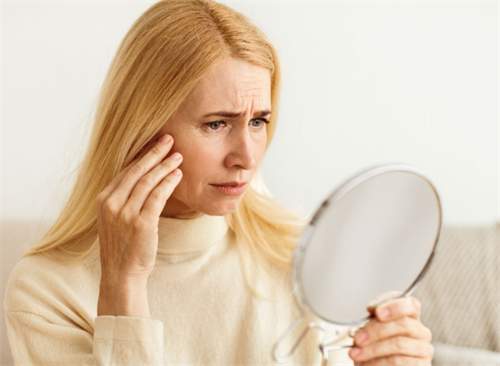
These changes may include reduced facial fullness, more visible bone structure, and increased skin laxity. In some cases, people describe a tired or older appearance, even when overall health markers have improved.
It is important to recognize that these features are not unique to semaglutide. Similar changes have long been observed after substantial weight loss from dieting, bariatric surgery, or illness. What has changed is the scale and speed at which weight loss can now occur.
The Biological Basis: Fat Loss in the Face
The face contains both subcutaneous fat and structural fat compartments that contribute to volume and contour. These fat pads support the skin and help maintain a smooth appearance.
When the body loses fat, it does not selectively preserve facial fat. Instead, fat reduction occurs across multiple regions, including the face. As a result, facial volume decreases along with overall body fat.
This effect becomes more visible when weight loss is large or rapid. The skin may not immediately adjust to the reduced volume, leading to temporary looseness or sagging. Over time, some degree of adaptation may occur, but it varies between individuals.
Speed Matters: Why Rapid Weight Loss Changes Appearance
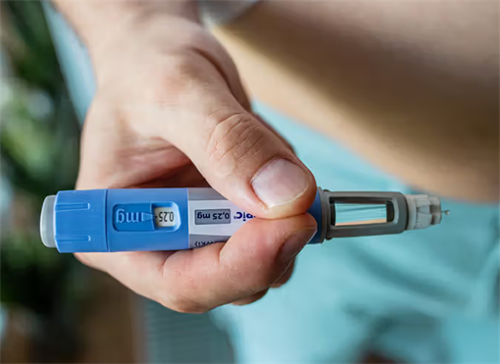
One of the defining features of GLP-1 therapies is the speed and magnitude of weight loss. Clinical trials have shown that semaglutide can lead to an average weight reduction of around 15% over approximately 68 weeks [1].
This pace is faster than traditional lifestyle interventions. Rapid fat loss reduces the time available for skin remodeling, including collagen and elastin adjustment. As a result, the skin may appear less firm during the active weight loss phase.
This does not necessarily indicate permanent damage. In many cases, the appearance stabilizes after weight reaches a plateau. However, the transition period can be visually noticeable.
Age and Skin Elasticity
Not everyone experiences the same degree of facial change. Age plays a significant role because skin elasticity naturally declines over time.
Younger individuals typically have higher collagen levels and more resilient skin. This allows the skin to adapt more easily to volume loss. In contrast, older adults may experience more pronounced changes because their skin has a reduced ability to contract.
This explains why the same amount of weight loss can lead to different visible outcomes. It is not the medication itself, but the interaction between weight loss and underlying skin biology.
Is It a Drug-Specific Effect?
Current evidence does not support the idea that semaglutide directly causes facial aging. Regulatory updates from the FDA and EMA through 2025–2026 do not list facial changes as a drug-specific adverse effect.
Instead, these agencies describe the outcomes in terms of weight loss and its metabolic benefits. Observed changes in appearance are considered secondary to fat reduction rather than a pharmacological effect on the skin.
This distinction is important. It suggests that similar changes would likely occur with any method that produces comparable weight loss.
A Broader Perspective: Health vs Appearance
Weight loss often leads to improvements in blood sugar control, cardiovascular risk, and overall metabolic health. These benefits are well documented in clinical trials and long-term studies.
At the same time, visible changes in the face can influence how people perceive their progress. In some cases, individuals report feeling conflicted: improved health but altered appearance.
This highlights a broader issue. Health outcomes and aesthetic outcomes do not always align perfectly. Recognizing this can help set more realistic expectations before starting treatment.
The Role of Fat Distribution
Not all fat loss occurs evenly. Some individuals may lose facial fat more quickly than fat in other areas, making changes more noticeable.
Genetics, baseline fat distribution, and hormonal factors all influence how the body mobilizes fat. For example, people with naturally fuller faces may see more dramatic changes as volume decreases.
This variability explains why the term “semaglutide face” does not apply uniformly. It reflects a pattern that may occur in some individuals but not others.
Muscle, Bone, and Structural Support
Facial appearance is not determined by fat alone. Muscle tone and bone structure also play important roles.
During weight loss, reductions in muscle mass and changes in hydration can subtly affect facial contours. While these effects are usually modest, they can contribute to the overall impression of change.
Over longer periods, maintaining muscle health through nutrition and activity may help support a more stable appearance. This connection between systemic health and facial structure is often overlooked.
Psychological Perception and Social Context
Perception of facial aging is influenced by more than biology. Social expectations, media images, and personal identity all shape how changes are interpreted.
For example, a leaner face may be perceived as healthier in some contexts but as older in others. These interpretations can vary widely between individuals and cultures.
This suggests that the concept of “semaglutide face” is partly subjective. It reflects how changes are perceived rather than a clearly defined medical condition.
Can These Changes Be Managed?
Although facial fat loss cannot be completely prevented, several factors may influence how noticeable it becomes.
Gradual weight loss, when possible, allows more time for skin adaptation. Adequate nutrition supports collagen production and skin health. Hydration also plays a role in maintaining skin appearance.
Physical activity, particularly resistance training, contributes indirectly by preserving muscle mass and overall metabolic stability. While it does not directly target facial fat, it supports systemic balance.
In some cases, dermatological or aesthetic interventions may be considered. These decisions are individual and typically involve consultation with qualified professionals.
The Role of Time: Adaptation After Weight Loss
One important but often overlooked factor is time. During active weight loss, the body is in a dynamic state. Skin, fat, and muscle are all adjusting simultaneously.
After weight stabilizes, the body enters a maintenance phase. During this period, some degree of natural adaptation can occur. Skin may gradually tighten, and facial appearance may become more balanced.
This means that early impressions may not reflect long-term outcomes. Patience and observation are often necessary before drawing conclusions.
Emerging Research and Future Directions
The growing use of GLP-1 therapies has prompted new research into body composition and appearance. Scientists are exploring ways to optimize weight loss while preserving both muscle and skin quality.
Combination therapies, including agents that support collagen or muscle pathways, are being investigated. Although still in early stages, these approaches reflect a shift toward more comprehensive outcomes.
Future treatments may focus not only on reducing weight but also on maintaining structural integrity. This represents a broader evolution in how weight management is approached.
A Predictive Perspective
Looking ahead, the discussion around “semaglutide face” is likely to evolve. As more long-term data become available, understanding of body composition and appearance will become more refined.
It is possible that clinical guidelines will begin to address aesthetic outcomes more directly, especially as patient expectations change. Education will also play a role in aligning expectations with biological reality.
Rather than viewing facial changes as a side effect, they may be understood as part of a broader physiological process. This shift in perspective can support more informed and balanced decision-making.
Conclusion
The concept of “semaglutide face” reflects a visible consequence of rapid weight loss rather than a direct effect of the medication itself. Current evidence suggests that these changes are primarily driven by reductions in facial fat and the body’s natural adaptation to weight loss.
Not everyone experiences the same degree of change. Factors such as age, skin elasticity, and fat distribution all influence outcomes. In many cases, appearance stabilizes over time as the body adjusts.
From a clinical perspective, the metabolic benefits of GLP-1 therapies remain well established. At the same time, understanding potential changes in appearance can help set realistic expectations.
A balanced view recognizes both aspects. Weight loss improves health, but it also changes how the body looks. Integrating these perspectives allows for more informed and sustainable decisions.
References:
[1] Wilding, J. P. H., et al. (2021). Once-weekly semaglutide in adults with overweight or obesity. New England Journal of Medicine, 384(11), 989–1002. https://www.nejm.org/doi/full/10.1056/NEJMoa2032183
[2] Rubino, D. M., et al. (2024). Long-term effects of semaglutide on body weight and cardiometabolic risk. Lancet Diabetes & Endocrinology. https://www.thelancet.com
[3] U.S. Food and Drug Administration. (2025). FDA updates on GLP-1 receptor agonists for weight management. https://www.fda.gov
[4] European Medicines Agency. (2026). GLP-1 receptor agonists: Benefit-risk assessment update. https://www.ema.europa.eu
[5] Friedman, O., & Jacob, C. I. (2023). Facial changes after weight loss: Clinical considerations. Journal of Cosmetic Dermatology. https://onlinelibrary.wiley.com
Author Information
Dr. Michael Zhang is a medical writer and researcher focusing on endocrinology and metabolic diseases. With more than ten years of experience in clinical literature review and science communication, he specializes in translating complex medical evidence into clear and reliable information for general readers. His work emphasizes careful interpretation of clinical trials, real-world data, and regulatory updates. He follows evidence-based principles aligned with Experience, Expertise, Authoritativeness, and Trustworthiness (EEAT), aiming to improve public understanding of emerging therapies and support informed health decisions.
Disclaimer
This article is intended for general educational purposes only and reflects current evidence as of 2026. It does not replace professional medical advice, diagnosis, or treatment. Individual decisions about weight management or medication use should be made in consultation with a qualified healthcare provider, taking into account personal health status and goals.
Recommended for you: