European Healthcare vs. American Self-Payment:Why the Global Payment Pattern of GLP-1 Is So Different?

GLP-1 receptor agonists have rapidly moved from diabetes care into the center of metabolic medicine. With evidence from large-scale trials showing meaningful weight loss and cardiovascular benefit, these drugs are no longer viewed as adjunct therapies but as long-term disease-modifying tools.
However, their clinical success has revealed a structural tension:
Who should pay for long-term metabolic treatment at scale?
The answer differs significantly between Europe and the United States. In Europe, access is filtered through public systems emphasizing cost-effectiveness. In the U.S., access is broader in theory but often depends on individual ability to pay.
The recent introduction of the BALANCE (Better Approaches to Lifestyle and Nutrition for Comprehensive Health) Model in the United States provides a critical case study. Rather than expanding universal coverage, it reinforces a voluntary, market-mediated approach—highlighting why payment patterns for GLP-1 therapies remain fundamentally different across regions.
1. Clinical Expansion Has Outpaced Payment Models
The clinical evidence supporting GLP-1 therapies has evolved faster than reimbursement systems.
Key developments include:
Weight loss efficacy: Up to 15–20% body weight reduction in trials
Cardiovascular benefit: Reduction in major adverse cardiovascular events in non-diabetic populations
Emerging indications: Chronic kidney disease, metabolic dysfunction-associated liver disease
The SELECT trial (2023–2024) demonstrated cardiovascular risk reduction in patients with obesity without diabetes [1]. This shifts obesity from a “risk factor” to a treatable disease with measurable outcomes.
However, reimbursement systems were not designed for:
Long-duration therapy;
Large eligible populations;
Preventive or semi-preventive indications;
This mismatch explains much of the global divergence.
2. Europe: Controlled Access Through Medical Necessity
2.1 Eligibility Reflects a Medicalized Model of Obesity
Across Europe, GLP-1 access generally follows structured clinical criteria:
BMI ≥30, or ≥27 with comorbidities
Documented failure of lifestyle interventions
Physician-led assessment and monitoring
These criteria are consistent with EMA approvals and national adaptations (2024–2025 updates) [2].
Importantly, access is not purely demand-driven. It is conditional.
2.2 Reimbursement Is Selective, Not Universal
Even when prescribed, reimbursement is limited:
UK: Access mainly through specialist NHS tiers
Germany: Mostly out-of-pocket for weight loss
France: Partial coverage in severe cases
Nordics: Conditional reimbursement tied to structured programs
This reflects a key principle:
Clinical eligibility does not guarantee financial coverage.
2.3 System Logic: Budget Impact Over Individual Demand
European systems evaluate therapies based on:
Cost per QALY;
Total population cost;
Long-term sustainability;
GLP-1 drugs challenge this model because:
They are effective;
They are expensive;
They apply to a large population;
As a result, Europe prioritizes:
High-risk patients;
Time-limited treatment;
Integration with lifestyle programs;
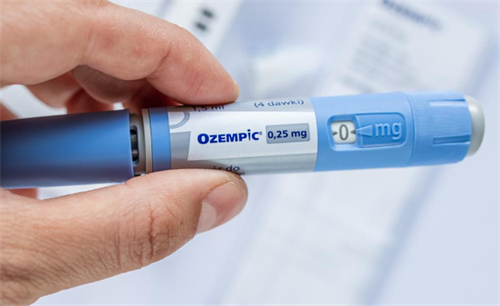
3. United States: Market Expansion Constrained by Cost
3.1 A Turning Point That Remains Limited: The BALANCE Model
In December 2025, the U.S. Centers for Medicare & Medicaid Innovation (CMMI) introduced the BALANCE Model, aiming to test coverage for GLP-1 drugs in obesity.
Key features:
Medicaid implementation: May 2026
Medicare Part D: January 2027
Transitional pilot: July 2026
Participation: Voluntary for insurers
This voluntary structure is critical. It reflects legal constraints from the Medicare Modernization Act (2003), which historically excluded weight-loss drugs from coverage.
Instead of legislative change, the U.S. is using experimental payment models under the Affordable Care Act framework.
3.2 Why Voluntary Participation Limits Impact
Voluntary participation introduces three structural constraints:
1) Insurers Retain Full Decision Power
Commercial insurers can:
Join or opt out;
Set eligibility thresholds;
Withdraw if costs rise;
2) High Cost Drives Restriction
GLP-1 therapies significantly impact premiums. Real-world data illustrate this:
North Carolina state employee plan:
~$170 million annual GLP-1 spending
Only ~25,000 users covered
Coverage discontinued for obesity indication (2025)
Connecticut:
~50% annual increase in GLP-1 spending since 2020
Introduced mandatory lifestyle programs to limit use
3) Coverage Becomes Narrow by Design
Even when included, insurers typically require:
Higher BMI thresholds;
Presence of comorbidities;
Prior failure of other therapies;
Participation in weight management programs;
This creates a system where coverage exists, but access is highly filtered.
3.3 Medicaid and Structural Budget Pressure
Unlike Medicare, Medicaid can cover weight-loss drugs. However:
Only ~14 states included GLP-1 by 2025
Some states (e.g., California, North Carolina) have withdrawn coverage
A major factor is fiscal pressure:
Planned reductions in Medicaid subsidies (post-2026 projections)
Estimated enrollment decline of ~10 million over 10 years
This suggests that even where coverage is legally possible,
budget sustainability becomes the limiting factor.
3.4 The Persistence of Self-Payment
Despite policy efforts, the U.S. remains largely a self-payment-driven market for GLP-1 obesity treatment.
Key observations:
Only ~25% of insured populations have meaningful coverage
Monthly out-of-pocket costs historically approached $1,000
New oral formulations (2026) may reduce costs to ~$150–$300/month
Even with price reductions, access remains uneven.
4. A Deeper Difference: How Systems Define “Necessary Treatment”
The divergence between Europe and the U.S. is not only economic—it is conceptual.
Europe:
Obesity is increasingly treated as a chronic disease;
But reimbursement requires severity and system-level justification;
United States:
Obesity is medically recognized;
But coverage depends on payer-specific financial logic;
This leads to a paradox:
Europe: More consistent rules, narrower access
U.S.: Broader theoretical access, higher financial barriers
5. The Cost Equation: When Does Coverage Become Rational?
A key question is whether GLP-1 therapies can reduce long-term healthcare costs.
A 2021 study in PLOS ONE estimated:
Obesity increases annual healthcare spending by ~$1,861 per person;
Each BMI unit above 30 adds ~$253 annually [3];
This suggests potential cost savings—but only if:
Drug prices decrease;
Benefits persist long-term;
High-risk patients are targeted;
Some analyses suggest a threshold effect:
If monthly cost falls below ~$200;
Coverage becomes more economically viable for insurers;
The emergence of oral GLP-1 drugs (2026) may accelerate this shift.
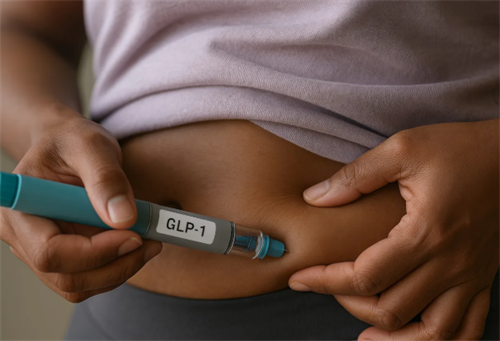
6. Clinical Constraints: Not All Patients Are Equal Candidates
Coverage decisions are also influenced by clinical considerations:
GLP-1 therapies can cause lean mass loss;
In older adults, this may increase fall risk;
Long-term adherence varies;
For Medicare populations, this introduces a key limitation:
Even if coverage expands, eligibility may remain restricted.
This further reduces the potential impact of broad policy inclusion.
7. Predictive Outlook: What Will Change Next?
7.1 Short-Term (1–3 Years)
Limited uptake of BALANCE Model
Continued reliance on self-payment in the U.S.
Gradual expansion of conditional access in Europe
7.2 Medium-Term (3–7 Years)
Price competition from oral and next-generation drugs
Expansion of outcome-based payment models
Increased use of risk stratification (precision prescribing)
7.3 Long-Term (7–10 Years)
Potential reclassification of obesity as a reimbursable chronic disease globally
Integration of pharmacotherapy into standard preventive care
Narrowing—but not elimination—of global access disparities
Conclusion
GLP-1 therapies have introduced a new category of long-term metabolic treatment. However, their integration into healthcare systems reveals fundamental structural differences.
Europe prioritizes controlled, evidence-based access within budget constraints.
The United States allows innovation-driven adoption but relies heavily on voluntary participation and market dynamics.
The introduction of the BALANCE Model does not fundamentally change this structure. Instead, it reinforces a key reality:
In the absence of mandatory coverage, access to GLP-1 therapies in the U.S. will remain selective, conditional, and uneven.
The global divergence is therefore not temporary—it reflects how different systems define value, risk, and responsibility in healthcare.
References:
[1] Lincoff, A. M., et al. (2023). Semaglutide and cardiovascular outcomes in obesity without diabetes. New England Journal of Medicine. https://www.nejm.org/doi/full/10.1056/NEJMoa2307563
[2] European Medicines Agency (EMA). (2024–2025). GLP-1 receptor agonists: regulatory updates and indications. https://www.ema.europa.eu
[3] Kim, D. D., & Basu, A. (2021). Association of BMI with health care expenditures. PLOS ONE. https://journals.plos.org/plosone/article?id=10.1371/journal.pone.0247307
[4] Centers for Medicare & Medicaid Services (CMS). (2025). CMMI payment models and BALANCE initiative overview. https://www.cms.gov
[5] Kaiser Family Foundation (KFF). (2025). Public and private coverage of GLP-1 medications in the U.S. https://www.kff.org
Author Information
This article was written by Dr. Alaric V. Montrose, a U.S.-based medical and health policy researcher with training in clinical medicine and health economics. Dr. Montrose specializes in interpreting clinical trial data, regulatory frameworks, and insurance system design across the United States and Europe. His work focuses on translating complex medical and policy developments into clear, evidence-based insights for general audiences while maintaining scientific accuracy and neutrality. He regularly reviews publications from leading journals and agencies, including the FDA, EMA, and peer-reviewed medical literature.
Disclaimer
This content is for informational purposes only and does not constitute medical or policy advice. Healthcare decisions should be made in consultation with qualified professionals. Policies and coverage conditions may change over time.
Recommended for you: